Hydration advice can get confusing fast. One person says to drink a gallon a day. Another says thirst is all that matters. Sports drink labels promise electrolytes, recovery, and performance, often without explaining who actually needs them.
The useful answer is more practical. Water is the right starting point for daily hydration and most shorter workouts. During longer, harder, hotter, or especially sweaty activity, a drink that includes electrolytes may help an athlete replace more of what is being lost. Some formulas also contain carbohydrates that can provide fuel during prolonged exercise.
That does not make every hydration powder better than water. It makes the right product useful in the right situation.
The short answer#
Athletes lose water when they sweat. They also lose electrolytes, particularly sodium and chloride. If those losses become large enough, the body has to work harder to circulate blood and control temperature. Exercise may feel harder, and performance can suffer.
For everyday hydration, meals, and many practices, water plus a balanced diet is generally enough. An electrolyte drink becomes more relevant when an athlete is exercising for a long time, training intensely, wearing heavy equipment, competing in hot or humid weather, sweating heavily, or returning for another session before fully recovering.
The goal is not to drink as much as possible. The National Athletic Trainers' Association position statement recommends an individual plan that provides "sufficient but not excessive hydration." Fluid needs vary too much for one number to work for every athlete.
Why hydration matters during exercise#
Sweat is part of the body's cooling system. As sweat evaporates from the skin, it helps release heat. The water used to produce that sweat has to come from fluid inside the body.
When an athlete loses more fluid than they replace, less water is available to support circulation and cooling. Heart rate and perceived effort can rise, especially during longer exercise in the heat. The athlete may feel unusually tired or find it harder to hold a steady pace.
Hydration is also a safety issue. Significant fluid loss can contribute to heat stress. Drinking far beyond sweat losses creates a different risk because it can dilute blood sodium. A sound hydration plan has to avoid both extremes.
This is why universal instructions such as "drink one bottle every hour" are not ideal. Sweat rate changes with the athlete, sport, intensity, temperature, humidity, clothing, equipment, and heat acclimatization. Even teammates completing the same practice can finish with very different losses.
Can dehydration affect athletic performance?#
Yes, but the size of the effect depends on the situation.
The evidence is strongest for continuous endurance exercise, particularly when activity is long or the environment is hot. A systematic review and meta-analysis found that drinking after dehydration improved continuous exercise performance. The effects were larger during longer activity and in hotter conditions. Evidence for short, intermittent, resistance, and sport-specific activities was less consistent.
That distinction matters for teen athletes. Hydration is important, but an electrolyte drink does not guarantee faster sprints, better shooting, or a stronger game. It is more accurate to say that an appropriate fluid plan can help prevent avoidable losses in performance when dehydration would otherwise become meaningful.
Research on attention, reaction time, and decision-making is also mixed. More substantial dehydration, especially when combined with heat stress, has been associated with greater fatigue, changes in mood, and reduced cognitive performance in some studies. Researchers have not found one simple threshold that predicts the same mental effect for every athlete or sport.
What hydration has to do with recovery#
After practice or competition, the athlete needs to replace what was lost and prepare for what comes next. That can include fluid, electrolytes, carbohydrate, and protein.
Rehydration helps restore normal fluid balance. Sodium from food or a drink can help the body retain ingested fluid, which can matter when sweat losses were high or recovery time is short. A regular meal and water may cover those needs after many routine practices. An electrolyte drink can be convenient when the athlete has lost a lot of sweat, has another game soon, or does not have immediate access to a full meal.
Recovery is not solved by one bottle. Food, sleep, rest, and an appropriate training load still do most of the work. A hydration product can address the fluid-replacement part of recovery. It cannot make up for skipped meals, too little sleep, illness, or excessive training. The joint sports nutrition position statement treats hydration as one part of a wider nutrition and recovery plan.
What are electrolytes?#
Electrolytes are minerals that carry an electrical charge when dissolved in body fluids. They help maintain fluid balance and normal nerve and muscle function.
Several minerals are described as electrolytes, but they do not all play the same role in a sports drink.
Sodium and chloride#
Sodium and chloride are the main components of salt, and both are lost in sweat. Sports hydration plans tend to focus on sodium because losses can become meaningful during prolonged or heavy sweating. Sodium in a drink or food can also help the body retain fluid during rehydration.
Sweat sodium losses vary widely. A visible white residue on dark clothing or skin can suggest salty sweat, but it is not a precise measurement. Athletes with repeated problems during exercise, unusually heavy sweating, or medical concerns should speak with a sports dietitian, athletic trainer, or clinician instead of guessing.
More sodium is not automatically better. Daily food intake, medical history, sweat losses, and training conditions all matter.
Potassium#
Potassium supports normal fluid balance, nerve signaling, and muscle function. Athletes lose some potassium in sweat, though most sports hydration guidance gives more attention to sodium. The NIH potassium fact sheet explains potassium's role in intracellular fluid volume, nerve transmission, and muscle contraction.
A balanced diet supplies potassium through potatoes, beans, fruit, vegetables, dairy foods, and other common foods. Most young athletes do not need to rely on a drink for all of their potassium.
Magnesium and other minerals#
Magnesium has important roles in normal muscle, nerve, and energy metabolism. Its presence on a drink label does not prove that the drink will improve hydration or prevent cramps. The NIH magnesium fact sheet describes its normal physiological roles without positioning it as a hydration cure.
Product formulas vary, and a longer ingredient list does not necessarily mean a better hydration product. For most teen athletes, food remains the foundation for meeting daily mineral needs. A hydration powder should have a clear purpose rather than serving as a substitute for a balanced diet.
What about carbohydrates?#
Carbohydrates are fuel. During prolonged, vigorous activity, a carbohydrate-containing drink may help provide energy as stored carbohydrate becomes less available. This is one reason some sports drinks contain sugar.
That benefit depends on the situation. An athlete doing a short practice may not need carbohydrate in a drink. Regularly drinking a sugary sports beverage while sitting in class or eating meals adds sugar and calories without serving its intended sports purpose.
The American Academy of Pediatrics clinical report recommends water as the principal hydration source for children and teens. Its guidance recognizes a more limited role for sports drinks during prolonged, vigorous activity when carbohydrate or electrolyte replacement is needed.
Hydration powders do not all contain the same ingredients. Some include carbohydrate, some contain little or none, and electrolyte amounts differ. Parents and athletes should read the Supplement Facts and ingredient list rather than treating every product as interchangeable.
Water vs. hydration powder#
Neither choice wins in every situation. Start with the demands of the activity.
| Situation | Practical starting point |
|---|---|
| Normal daily hydration | Water and regular meals |
| Short, lower-intensity practice in mild weather | Water is usually enough |
| Longer or vigorous practice | Electrolytes and carbohydrate may become useful, depending on sweat losses and access to food |
| Hot or humid conditions | Plan fluid access carefully and consider electrolyte replacement when sweat losses are substantial |
| Heavy equipment or limited cooling | Treat the session as higher risk for heat and sweat loss |
| Tournament or two-a-day schedule | Replace fluid and electrolytes between sessions, then eat a recovery meal or snack |
| Everyday beverage without meaningful exercise | Choose water rather than using a sports drink by default |
A powder can be useful because it is portable, creates a consistent drink when mixed as directed, and may taste more appealing than plain water. Taste matters because athletes are more likely to drink something they will actually carry and enjoy.
The powder still has to be mixed with water. It does not replace water, and it cannot compensate for poor access to fluids during practice.
How to build a practical hydration plan#
Start with normal daily habits#
Hydration begins before the warm-up. Drink regularly with meals and throughout the day. Trying to fix an entire day of low fluid intake by chugging a large amount right before practice can lead to discomfort without solving the underlying habit.
Look at the session, not only the clock#
Duration matters, but so do intensity, weather, equipment, body size, and individual sweat rate. A hard soccer practice in August is different from a light gym session in an air-conditioned building.
Learn the athlete's sweat pattern#
With help from an athletic trainer or sports dietitian, body weight measured before and after exercise can be used to estimate sweat loss. The calculation also accounts for fluid consumed and any urine produced during the session.
One measurement is not enough. Repeat the process in different weather and training conditions to learn how the athlete's needs change.
The general goal is to limit large fluid losses without finishing heavier than the athlete started. Weight gain during exercise can be a warning that fluid intake exceeded losses.
Make fluids easy to reach#
Even a good plan fails if bottles are empty, breaks are skipped, or the drink is left in the car. Athletes need reliable access to fluids before, during, and after activity. Coaches and parents play a real role here.
Replace more than fluid after demanding sessions#
After a hard practice, pair fluid with a meal or snack that supplies carbohydrate, protein, and sodium. This addresses the wider recovery process instead of focusing on a drink alone.
Too little and too much can both be dangerous#
Dehydration and exercise-associated hyponatremia, which involves low blood sodium during or after exercise, can share symptoms. Headache, nausea, confusion, unusual behavior, collapse, or worsening illness during activity in the heat should not be managed by simply telling the athlete to drink more.
Stop the activity and involve the athletic trainer or medical staff. Confusion, collapse, seizure, loss of consciousness, or other severe symptoms require emergency medical care.
Athletes with kidney, heart, blood pressure, endocrine, or other medical conditions should get personalized guidance from a qualified clinician. The same applies to anyone taking medication that affects fluid or electrolyte balance.
Sports drinks are not energy drinks#
The names are easy to confuse, but the products have different purposes.
A sports or hydration drink is intended to provide fluid and may include electrolytes and carbohydrate. An energy drink commonly contains caffeine or other stimulants.
The American Academy of Pediatrics advises that energy drinks are not appropriate for children and adolescents. A product marketed for energy should not be used as a hydration shortcut. Read the label and check for caffeine and other stimulants.
Frequently asked questions#
Are electrolyte powders more hydrating than water?#
Not automatically. Water is effective for daily hydration and many workouts. A powder adds ingredients that may help replace sweat losses, retain fluid, provide fuel, or make the drink more appealing. Its value depends on the athlete, activity, conditions, and formula.
Do teen athletes need electrolytes for every practice?#
Usually not. The case for an electrolyte drink becomes stronger as exercise gets longer, harder, hotter, or sweatier. Water and normal meals often cover shorter or lighter sessions.
Does sodium improve athletic performance?#
Sodium is not a performance booster in the way a stimulant is. It can support a hydration plan by replacing sodium lost in sweat and helping the body retain fluid. That may help an athlete avoid a hydration-related decline during demanding exercise, but it does not guarantee better performance.
Do electrolytes help with recovery?#
They can help replace minerals lost in sweat, and sodium can support fluid retention during rehydration. Full recovery also requires food, sleep, and rest. Electrolytes are one part of that process.
Is water enough after practice?#
Often, yes. Water plus a normal meal can replace fluid and electrolytes after many practices. An electrolyte drink may be more convenient after heavy sweat loss, in hot weather, or when another session is coming soon.
Can an athlete drink too much water?#
Yes. Drinking more than the body loses can contribute to dangerously low blood sodium. Athletes should avoid forcing large amounts of fluid and should not aim to gain body weight during exercise.
Where Hydr8Stx fits#
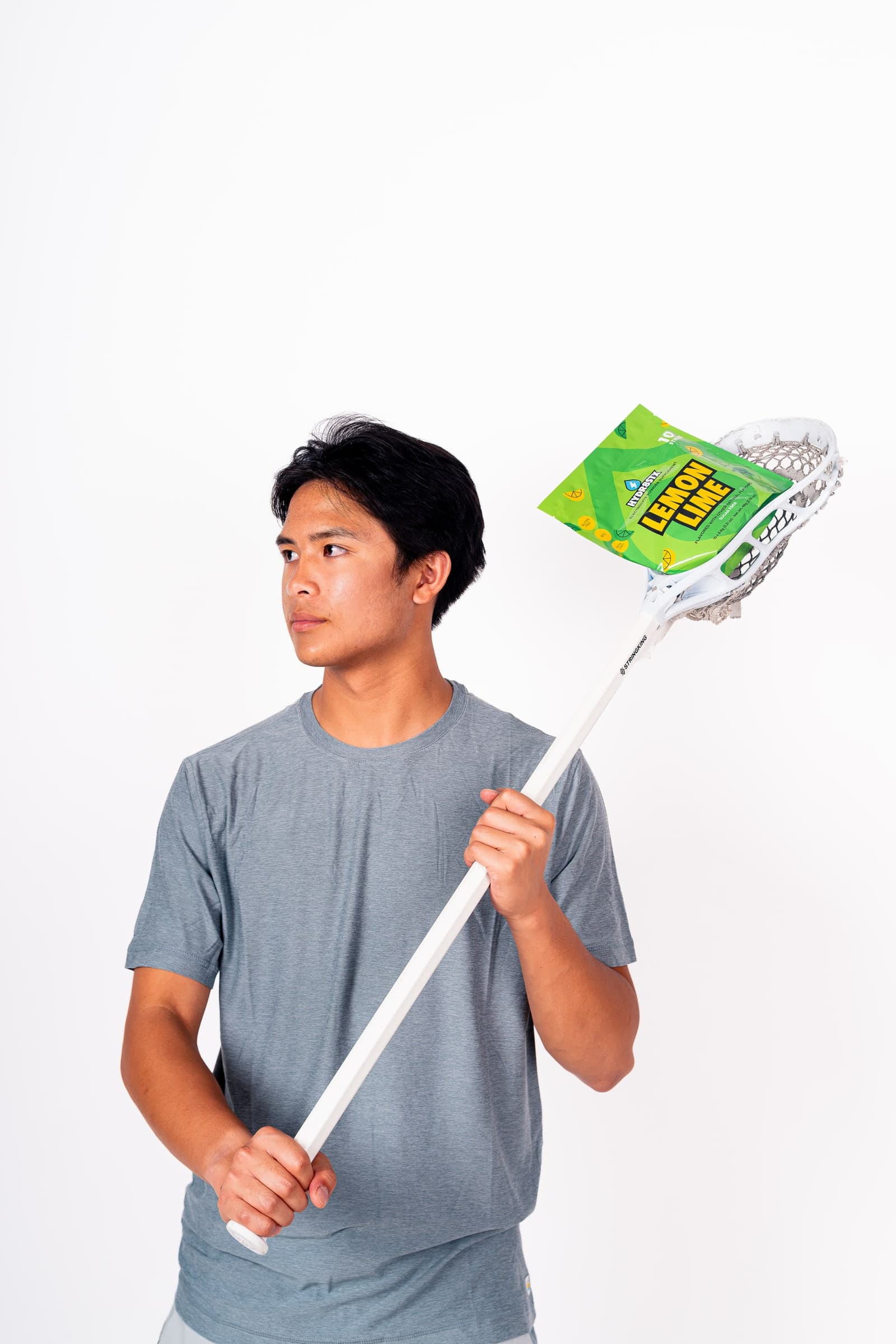
Hydr8Stx makes two electrolyte powder formulas, Lemon Lime and Piña Colada. Both come in single-serve sticks and are mixed with 8 to 16 fluid ounces of cold water. The water does the hydrating. The ingredients in each stick change what the finished drink provides.
The two flavors have different electrolyte profiles, so it is worth looking at them separately.
| Per stick | Lemon Lime | Piña Colada |
|---|---|---|
| Sodium | 460 mg | 80 mg |
| Chloride | 572 mg | Not listed |
| Potassium | 380 mg | 200 mg |
| Magnesium | Not listed | 100 mg |
| Calcium | Not listed | 60 mg |
| Total carbohydrate | Not listed | 2 g |
| Total sugars | Not listed | 1 g |
| Serving size | 1 stick (8.8 g) | 1 stick (5.2 g) |
"Not listed" means the nutrient is not declared on that flavor's Supplement Facts panel. It should not be read as a laboratory-confirmed zero.
Lemon Lime: a sodium-focused electrolyte formula#
One Lemon Lime stick provides 460 mg of sodium, 572 mg of chloride, and 380 mg of potassium.
Sodium and chloride are the main electrolytes lost in sweat. Potassium is also lost, usually in smaller amounts. Replacing sodium can be useful when sweat losses become substantial, and sodium in food or a drink can help the body retain fluid during rehydration. This is why sodium receives so much attention in hydration plans for prolonged exercise and hot conditions. A recent systematic review identifies sodium, chloride, and, to a lesser extent, potassium as the major electrolytes lost in sweat.
The Lemon Lime formula provides more sodium than Piña Colada. That may make it the more relevant Hydr8Stx option for an athlete who has a long, hot, or high-sweat session. It does not mean every athlete needs 460 mg of sodium at every practice. Sweat losses, the rest of the athlete's diet, the amount of water used, and personal health needs still matter.
Mixing volume also changes the concentration of the finished drink. A stick mixed into 8 fluid ounces produces a more concentrated drink than the same stick mixed into 16 fluid ounces. Athletes should follow the pouch directions and pay attention to taste and stomach comfort.
Lemon Lime also contains vitamin C, niacin, vitamins B6 and B12, pantothenic acid, L-alanine, and L-glutamine. These are part of the formula, but they should not be presented as proof that the product hydrates better. Current sports hydration guidance does not provide a strong basis for claiming that L-alanine or L-glutamine improves hydration, athletic performance, or recovery in this product.
Piña Colada: a broader, lower-sodium mineral profile#
One Piña Colada stick provides 80 mg of sodium, 200 mg of potassium, 100 mg of magnesium, and 60 mg of calcium. It also contains 2 g of carbohydrate, including 1 g of added sugar.
Potassium helps maintain fluid inside cells and supports normal nerve signaling and muscle contraction. Magnesium and calcium also have normal roles in nerve and muscle function. Their presence does not make the drink automatically more hydrating. For exercise-related fluid replacement, the amount of sodium remains an important part of the formula.
Piña Colada contains considerably less sodium than Lemon Lime. It can still contribute electrolytes to water, but it should not be described as offering the same level of sweat-sodium replacement.
Its 2 g of carbohydrate is also much lower than the amount commonly used in carbohydrate-electrolyte drinks intended to provide fuel during prolonged exercise. It should not be marketed as a primary exercise-fuel source. The IOC supplement consensus statement describes electrolyte-replacement products used in sport as typically providing more carbohydrate than this formula supplies.
The formula also contains vitamin C, thiamin, niacin, vitamin B6, folate, vitamin B12, pantothenic acid, zinc, selenium, and manganese. Those nutrients have established roles in normal health and metabolism, but they do not directly add fluid to the body. A longer vitamin and mineral list does not necessarily mean stronger hydration.
Piña Colada contains coconut and carries a tree-nut allergen statement. Athletes and parents should check the complete ingredient list before use.
What the two formulas have in common#
Both flavors turn water into a flavored electrolyte drink that is portable and easy to prepare. Flavor and convenience can be useful when they help an athlete keep fluids available and drink consistently during an active day.
Neither formula makes water optional. Neither should be treated as a performance or recovery guarantee. Hydr8Stx is intended to add electrolytes and flavor to water. How useful that is depends on the athlete, the session, the weather, sweat losses, diet, and what the athlete will eat and drink afterward.
For many short or lower-intensity practices, water and regular meals may be enough. An electrolyte powder becomes more relevant as exercise gets longer, hotter, harder, or sweatier. Athletes with medical conditions, dietary restrictions, unusually heavy sweating, or repeated hydration problems should get individual advice from a pediatrician, sports dietitian, athletic trainer, or sports-medicine clinician.
Parents should also consider the athlete's full diet and any other supplements being used. More vitamins, minerals, or sodium are not automatically better. Use each product according to its label and do not exceed the directions in an attempt to improve hydration or performance.